Construction Safety Measures
The construction industry is one of the most hazardous sectors globally. Falls from heights, electrical shocks, heavy machinery accidents, and falling objects pose serious threats to workers. Therefore, safety measures are not just legal obligations but moral imperatives. A safe work environment enhances productivity, reduces delays, and protects lives.
Construction safety involves identifying risks, using proper equipment, providing training, and conducting regular inspections. These measures protect not only workers but also employers, visitors, and the surrounding community. Below are the key safety precautions that should be implemented on every construction site.
1. Risk Assessment and Planning
Before any construction begins, a thorough risk assessment must be conducted. This helps identify potential hazards and implement preventive measures. Emergency response plans should also be developed and communicated to all workers.
2. Use of Personal Protective Equipment (PPE)
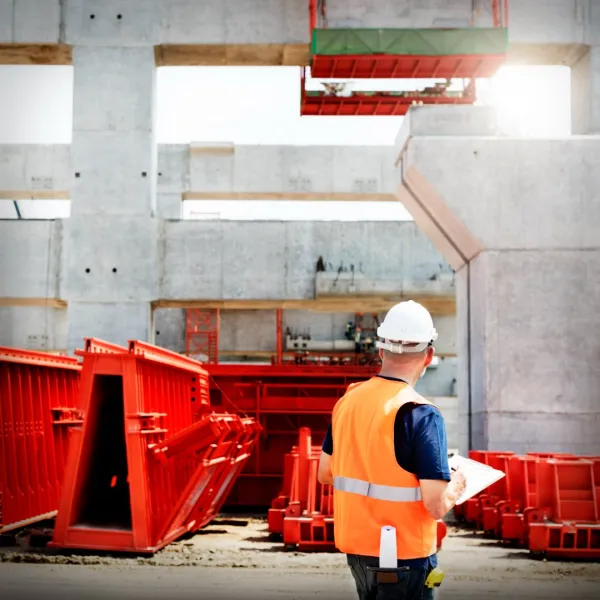
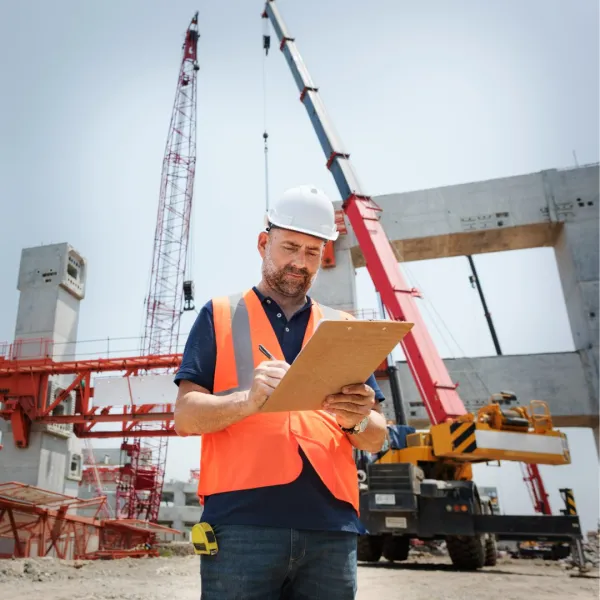
All personnel on-site must wear appropriate PPE, including helmets, steel-toe boots, reflective vests, gloves, goggles, and ear protection. PPE should be regularly inspected and replaced when necessary.
3. Fall Protection
Scaffolding, ladders, and platforms must be securely installed and inspected regularly. Workers at heights should use safety harnesses and fall arrest systems. Guardrails and safety nets should be installed where needed.
4. Electrical Safety
Electrical systems must be installed by certified professionals and inspected frequently. Exposed wires should be insulated, grounding must be ensured, and residual current devices (RCDs) should be used. Electrical panels must be locked and clearly labeled.
5. Fire Safety
Fire extinguishers, blankets, and alarm systems must be readily available. Fire exits should remain unobstructed, and workers must receive fire safety training. Flammable materials should be stored properly, and designated smoking areas must be enforced.
6. Training and Awareness
All workers must undergo safety training before starting work. These sessions should be updated regularly and include hands-on practice. Additional training should be provided when new equipment or procedures are introduced.
7. Housekeeping
The site must be kept clean and organized. Waste should be disposed of properly, materials should be stacked safely, walkways must be clear, and slippery surfaces should be addressed. Good housekeeping reduces the risk of accidents significantly.